W dniach 22 – 26 września Warmińsko-Mazurska Regionalna Organizacja Turystyczna gościła blogerki ze Szwecji z bloga resfredag.se w ramach projektu BRIDGE.
Zamki, niezwykłe krajobrazy, historia, tradycyjna kuchnia i spotkania z lokalną kulturą – tak można w kilku słowach opisać niezwykłą podróż blogerek ze Szwecji po północnej Polsce. Kilkudniowa wizyta była okazją do odkrywania miejsc, które łączą bogatą historię regionu z pięknem przyrody i lokalnymi tradycjami.
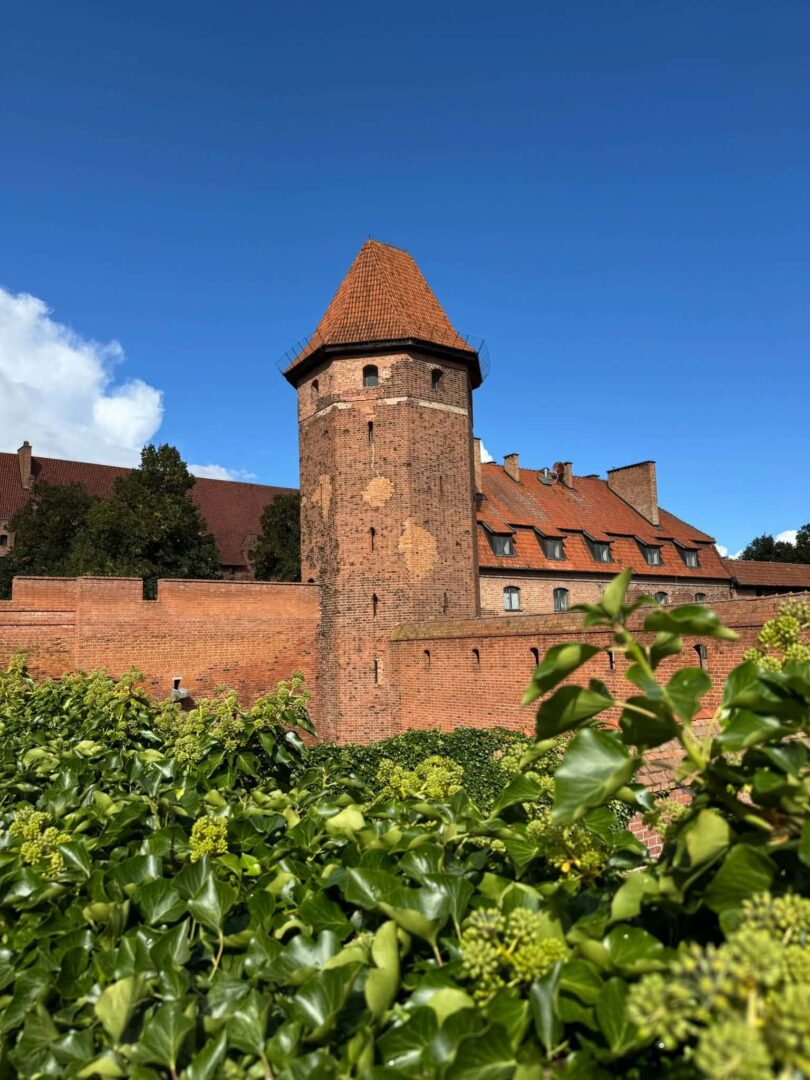
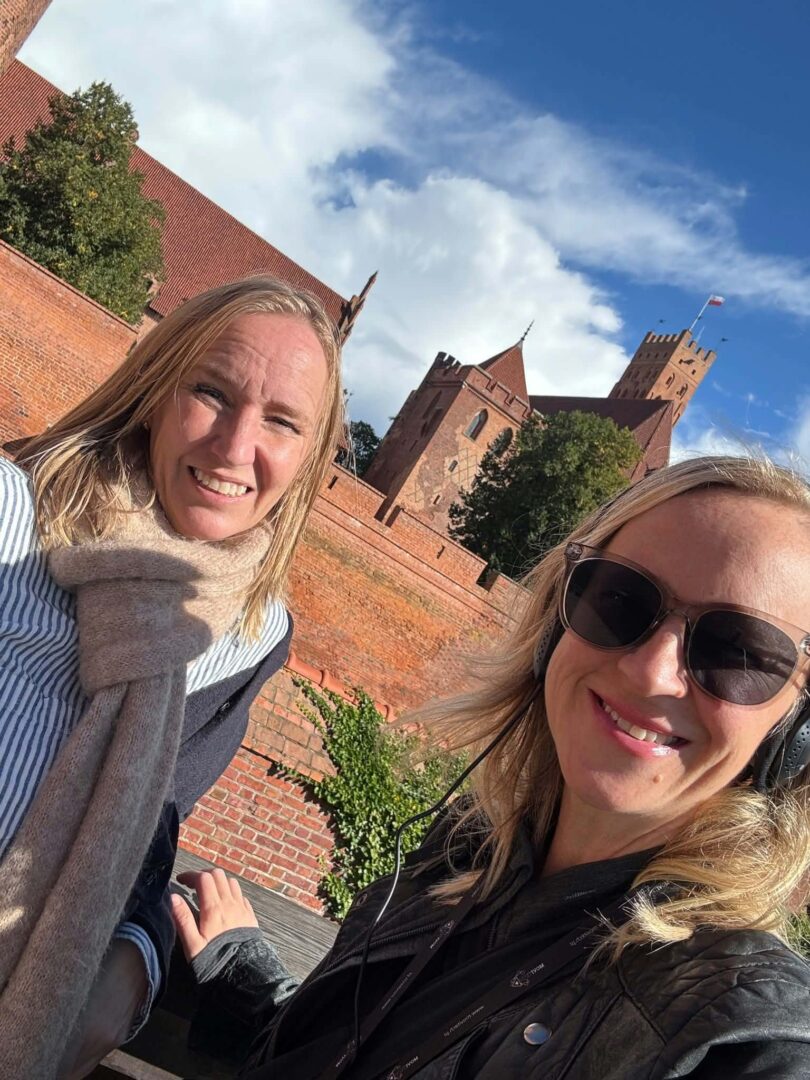
Podróż rozpoczęła się 22 września w Malborku – mieście, którego największą atrakcją jest monumentalny zamek krzyżacki. Nasi goście korzystając z pomocy audioprzewodników wyruszyli na trasę historyczną.
Malbork – spotkanie z historią
Zamek w Malborku należy do najbardziej charakterystycznych zabytków północnej Polski. Monumentalna średniowieczna twierdza pozwala przenieść się w czasy, gdy Malbork był jednym z najważniejszych ośrodków państwa zakonu krzyżackiego.
Podczas zwiedzania blogerzy mogli poznać nie tylko historię samego zamku, ale również zobaczyć jego imponującą architekturę i wnętrza. Audioprzewodniki pozwoliły im odkrywać kolejne części kompleksu we własnym tempie.
Kanał Elbląski – niezwykła podróż po wodzie
Kolejny dzień rozpoczął się od jednej z najbardziej wyjątkowych atrakcji regionu – rejsu po Kanale Elbląskim.
Blogerzy wyruszyli w rejs z Buczyńca do Kątów i Oleśnicy. Trasa prowadziła przez charakterystyczny system pochylni, dzięki któremu statki mogą pokonywać różnice poziomów pomiędzy poszczególnymi odcinkami kanału. To doświadczenie pozwoliło spojrzeć na krajobraz Warmii i Mazur z zupełnie innej perspektywy. Kanał Elbląski jest bowiem nie tylko szlakiem wodnym, ale także wyjątkowym przykładem XIX-wiecznej myśli technicznej.
Smaki regionu i spotkanie z lokalną kuchnią
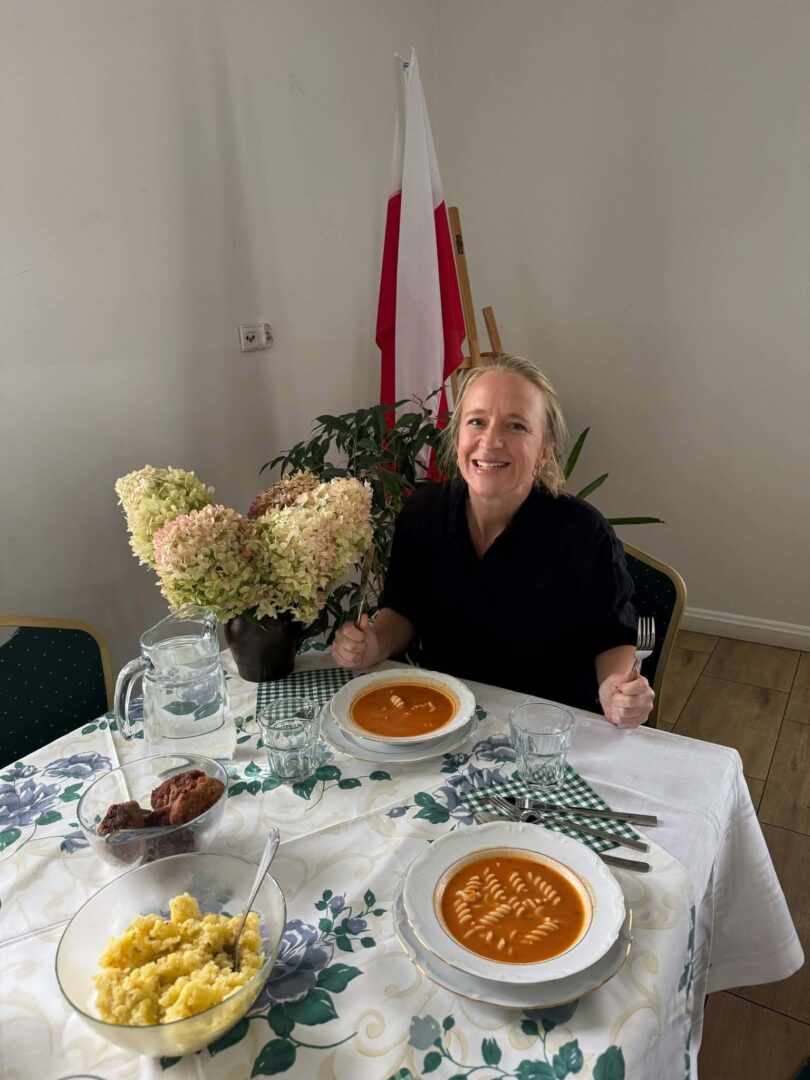
Podróż po Polsce nie mogła obyć się bez poznawania lokalnych smaków. Kolejnym punktem programu były Lubajny, gdzie blogerki wzięły udział w warsztatach kulinarnych.
Spotkanie połączyło przygotowanie tradycyjnych potraw z możliwością poznania lokalnej społeczności i codziennego życia mieszkańców. W programie znalazł się również wspólny lunch i kolacja.
Takie doświadczenia są szczególnie ważną częścią podróży – pozwalają nie tylko zobaczyć dane miejsce, ale również poznać je poprzez smaki, ludzi i lokalne tradycje.
Olsztynek – życie dawnej wsi
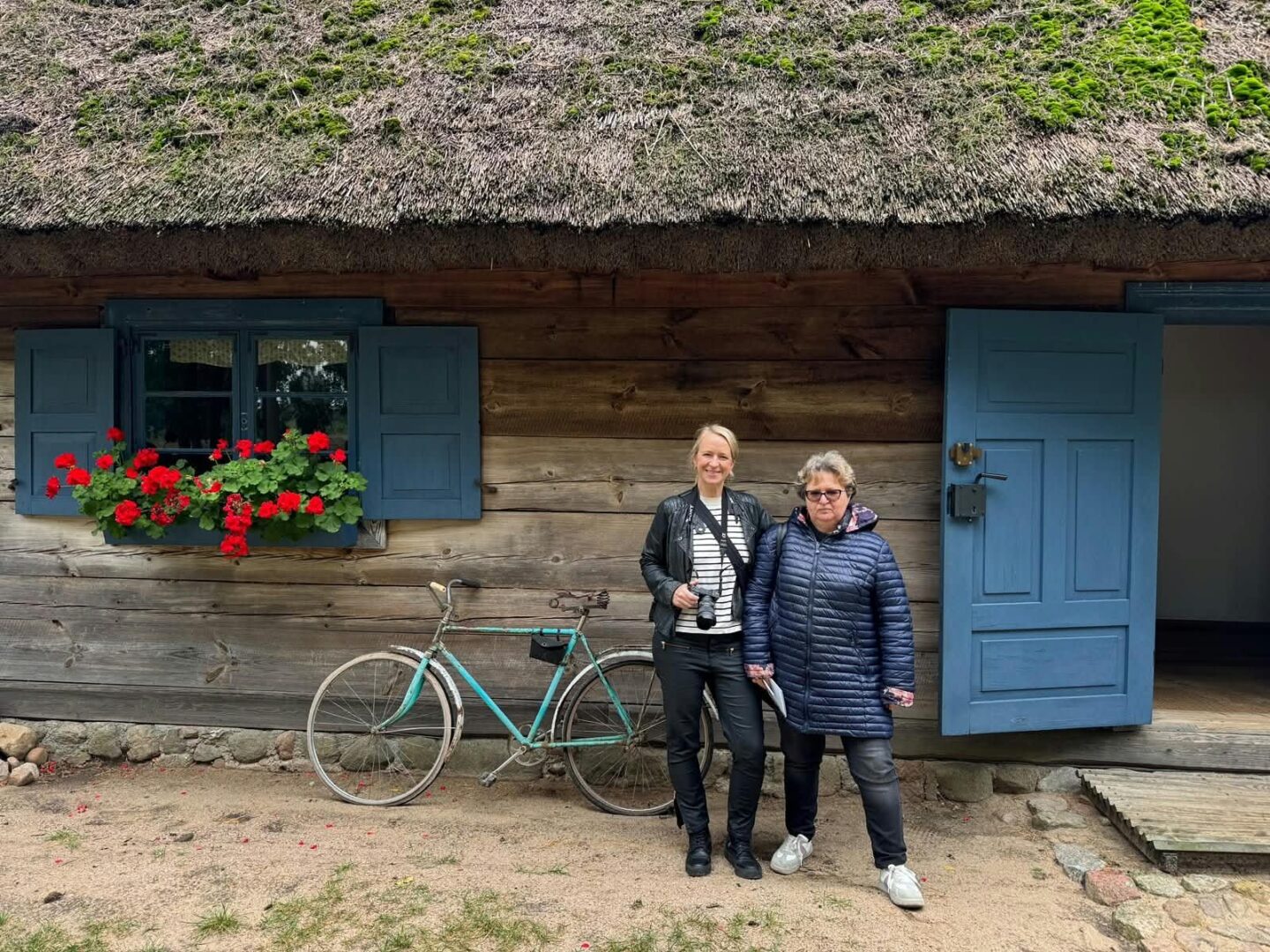
Następnego dnia blogerki odwiedziły Muzeum Budownictwa Ludowego w Olsztynku, które zwiedzały z pracownikiem Warmińsko – Mazurskiej Regionalnej Organizacji Turystycznej, przewodnikiem terenowym po Warmii i Mazurach Anną Krawczyńską. Przy wejściu do muzeum rozpoczęło się wspólne zwiedzanie rozległego skansenu, w którym można zobaczyć tradycyjną architekturę Warmii, Mazur, Prus Górnych i Małej Litwy oraz poznać dawne życie mieszkańców regionu.
Spacer pomiędzy historycznymi budynkami był okazją do odkrywania tradycyjnego krajobrazu kulturowego regionu.
Grunwald – historia, która wciąż inspiruje
Z Olsztynka trasa prowadziła dalej na Pola Grunwaldzkie. To właśnie tutaj w 1410 roku rozegrała się jedna z najważniejszych bitew średniowiecznej Europy.
Blogerki odwiedziły Muzeum Bitwy pod Grunwaldem, gdzie mogły poznać historię wydarzeń, które na stałe zapisały się w historii Polski i Europy. Zwiedzanie z audioprzewodnikiem pozwoliło im lepiej zrozumieć znaczenie tego miejsca.
Kwidzyn, Sztum i Gniew – szlak średniowiecznych zamków
W Kwidzynie blogerki odwiedziły katedrę św. Jana Ewangelisty. Zwiedzanie odbyło się z anglojęzycznym przewodnikiem.
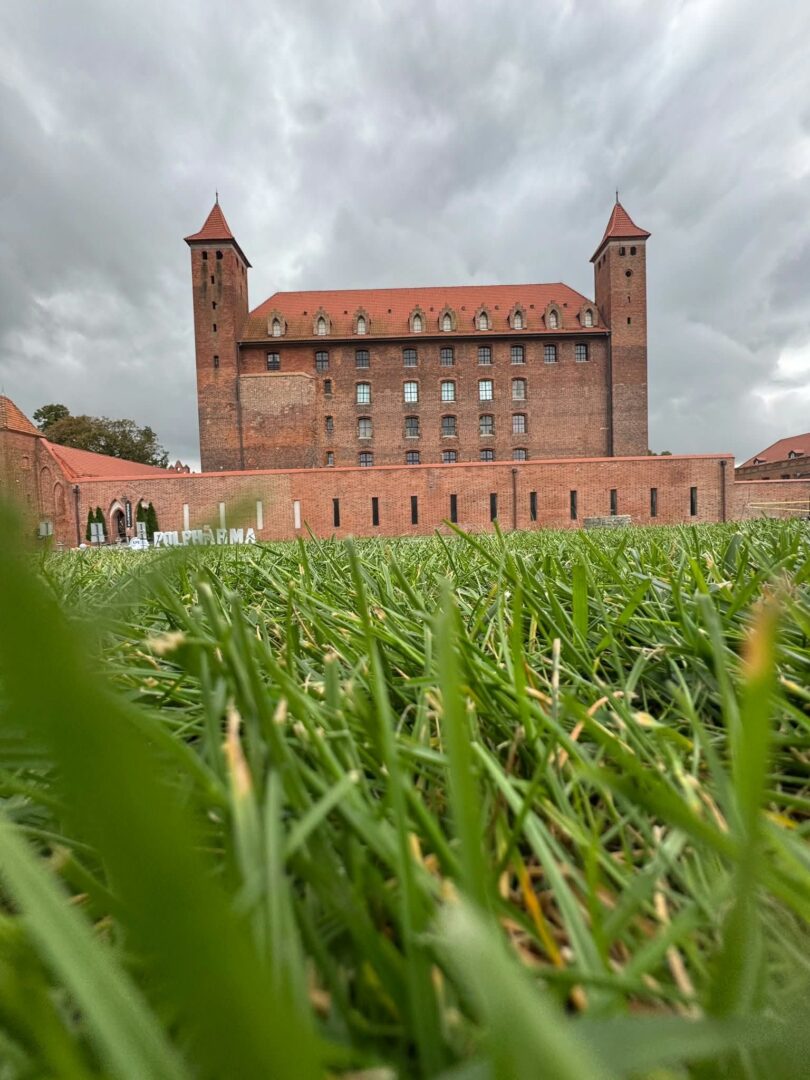
Następnie odwiedziły zamek w Sztumie, a później udały się do miasta Gniew. Zamek w Sztumie blogerki zwiedzały z audioprzewodnikami, a zamek w Gniewie z anglojęzycznym przewodnikiem.
Bytów – historia Kaszub
Wieczorem nasi goście dotarli do Bytowa. 26 września blogerki zwiedziły Muzeum Zachodniokaszubskie, mieszczące się w zamkowych wnętrzach.
Wizyta w Bytowie była również okazją do poznania dziedzictwa Kaszub – regionu o wyjątkowej kulturze, języku, tradycjach i kuchni.
Lębork – ostatni przystanek podróży
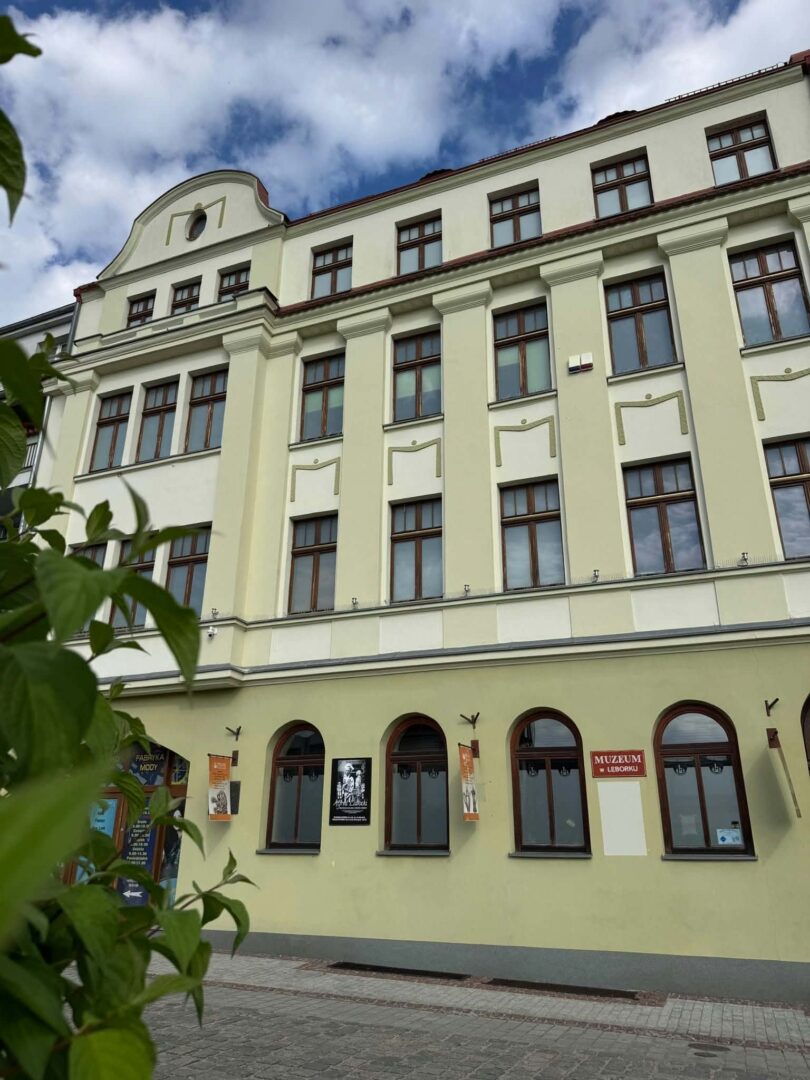
Ostatnim punktem programu był Lębork. Blogerki zobaczyły zamek z zewnątrz, a następnie odwiedziły muzeum, które zwiedziły z przewodnikiem.
Polska, którą warto odkrywać
Kilka dni podróży gości ze Szwecji pokazało, jak różnorodna jest północna Polska. Od monumentalnego zamku w Malborku, przez niezwykłą podróż Kanałem Elbląskim, tradycyjną kuchnię i kulturę Warmii i Mazur, aż po średniowieczne zamki Pomorza i dziedzictwo Kaszub.
Ta podróż była czymś więcej niż zwiedzaniem kolejnych atrakcji. Była spotkaniem z historią, przyrodą, architekturą, kuchnią i przede wszystkim z lokalną kulturą.
Północna Polska ma wiele historii do opowiedzenia – a podróż taka jak ta pozwala odkrywać je krok po kroku.
Wizyta jest działaniem projektu:
BRIDGE https://zamkigotyckie.org.pl/bridge i jest realizowana w ramach Programu Interreg South Baltic 2021–2027.
From castles to the Elbląg Canal – a journey through the northern Poland for Swedish bloggers
From 22 to 26 September, the Warmińsko-Mazurska Regionalna Organizacja Turystyczna welcomed bloggers from Sweden from the blog www.resfredag.se as part of the BRIDGE project.
Castles, extraordinary landscapes, history, traditional cuisine and encounters with local culture – these are just a few of the highlights of the extraordinary journey of Swedish bloggers through northern Poland. The several day visit was an opportunity to discover places that combine the region’s rich history with the beauty of nature and local traditions.
The journey began on 22 September in Malbork – a town whose main attraction is the monumental Teutonic Knights’ castle. With the help of audioguides, our guests set off on a historical tour.
Malbork – an encounter with history
Malbork Castle is one of the most distinctive historical monuments in the northern Poland. This monumental medieval fortress transports visitors back to a time when Malbork was one of the most important centres of the Teutonic Order.
During the tour, the bloggers were able not only to learn about the history of the castle itself, but also to admire its impressive architecture and interiors. The audioguides allowed them to explore different parts of the complex at their own pace.
The Elbląg Canal – an extraordinary journey by water
The next day began with one of the region’s most unique attractions – a cruise along the Elbląg Canal.
The bloggers set off on a cruise from Buczyniec to Kąty and Oleśnica. The route took them through a distinctive system of inclined planes, which allow boats to navigate the differences in water levels between the various sections of the canal. This experience offered a chance to view the landscape of Warmia and Masuria from a completely different perspective. The Elbląg Canal is not only a waterway, but also a unique example of the 19th-century engineering.
The flavours of the region and an introduction to local cuisine
No trip around Poland would be complete without sampling the local flavours. The next stop on the itinerary was Lubajny, where the bloggers took part in a cookery workshop.
The event combined the preparation of traditional dishes with the chance to get to know the local community and the everyday lives of the residents. The programme also included a shared lunch and dinner.
Experiences like these are a particularly important part of travelling – they allow you not only to see a place, but also to get to know it through its flavours, people and local traditions.
Olsztynek – life in a village of yesteryear
The following day, the bloggers visited the Museum of Folk Architecture in Olsztynek, where they were shown round by Anna Krawczyńska, a member of staff at the Warmia and Mazury Regional Tourist Organisation and a local guide for Warmia and Mazury. At the museum entrance, they began their joint tour of the extensive open-air museum, where visitors can see the traditional architecture of Warmia, Masuria, Upper Prussia and Little Lithuania, and learn about the former way of life of the region’s inhabitants.
A stroll amongst the historic buildings provided an opportunity to discover the region’s traditional cultural landscape.
Grunwald – a story that continues to inspire
From Olsztynek, the route continued on to the Grunwald Fields. It was here, in 1410, that one of the most significant battles of medieval Europe took place.
The bloggers visited the Museum of the Battle of Grunwald, where they learnt about the events that have left an indelible mark on the history of Poland and Europe. A guided tour with an audioguide helped them to better understand the significance of this place.
Kwidzyn, Sztum and Gniew – a trail of medieval castles
In Kwidzyn, the bloggers visited the Cathedral of St John the Evangelist. The tour was led by an English-speaking guide.
They then visited the castle in Sztum, before heading to the town of Gniew. The bloggers explored the castle in Sztum using audio guides, and the castle in Gniew with an English-speaking guide.
Bytów – the history of Kashubia
In the evening, our guests arrived in Bytów. On 26 September, the bloggers visited the West Kashubian Museum, housed within the castle.
The visit to Bytów was also an opportunity to learn about the heritage of Kashubia – a region with a unique culture, language, traditions and cuisine.
Lębork – the final stop on the trip
The final stop on the itinerary was Lębork. The bloggers viewed the castle from the outside and then visited the museum, where they were given a guided tour.
Poland: a country worth discovering
A few days’ trip by visitors from Sweden demonstrated just how diverse northern Poland is. From the monumental castle in Malbork, through an extraordinary journey along the Elbląg Canal, the traditional cuisine and culture of Warmia and Masuria, right through to the medieval castles of Pomerania and the heritage of the Kashubians.
This journey was more than just a tour of one attraction after another. It was an encounter with history, nature, architecture, cuisine and, above all, local culture.
Northern Poland has many stories to tell – and a journey like this allows you to discover them step by step.
The visit is part of the project: